Botanical Supports for Active Living
Explore evidence-based information about natural plant elements and their role in wellness routines. Educational content only. No promises of outcomes.

Plant Components Analysis
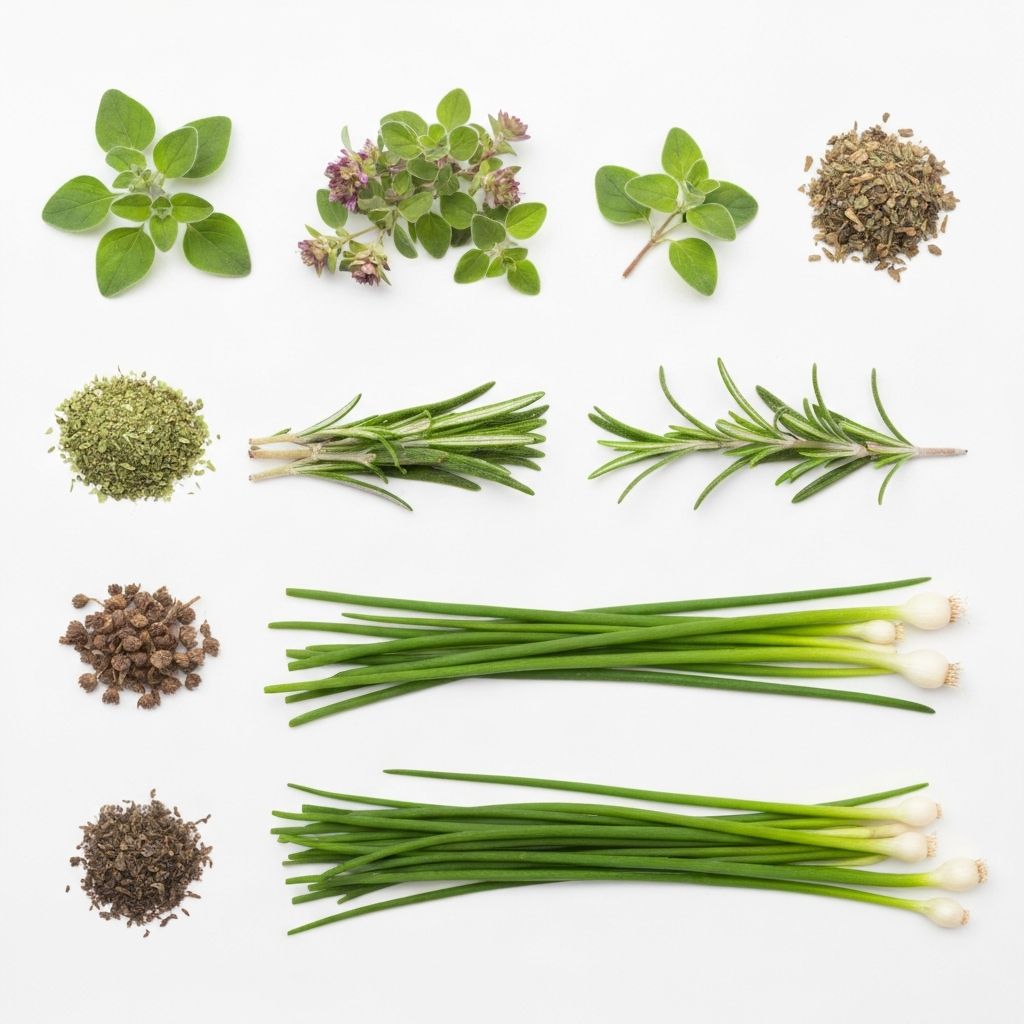
Natural Botanical Elements
Understanding the foundation of plant-based components used in everyday wellness routines. These elements have been utilized across cultures for centuries.
- Plant phytochemical properties
- Extraction and processing methods
- Global sourcing perspectives
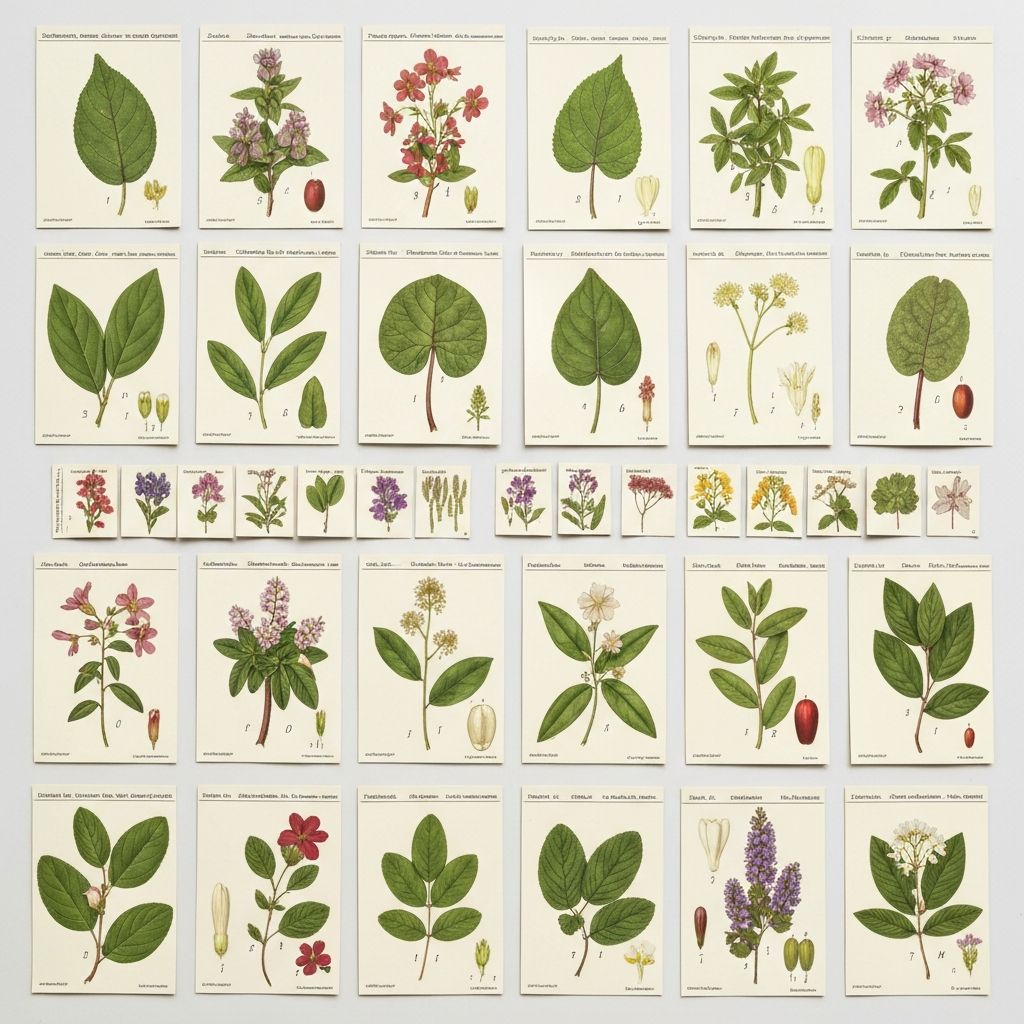
Nutrient Profiles
Examination of various nutrient composition found in botanical sources. Different plants contain different combinations of vitamins, minerals, and bioactive compounds.
- Vitamin and mineral content
- Bioactive compound analysis
- Nutritional diversity
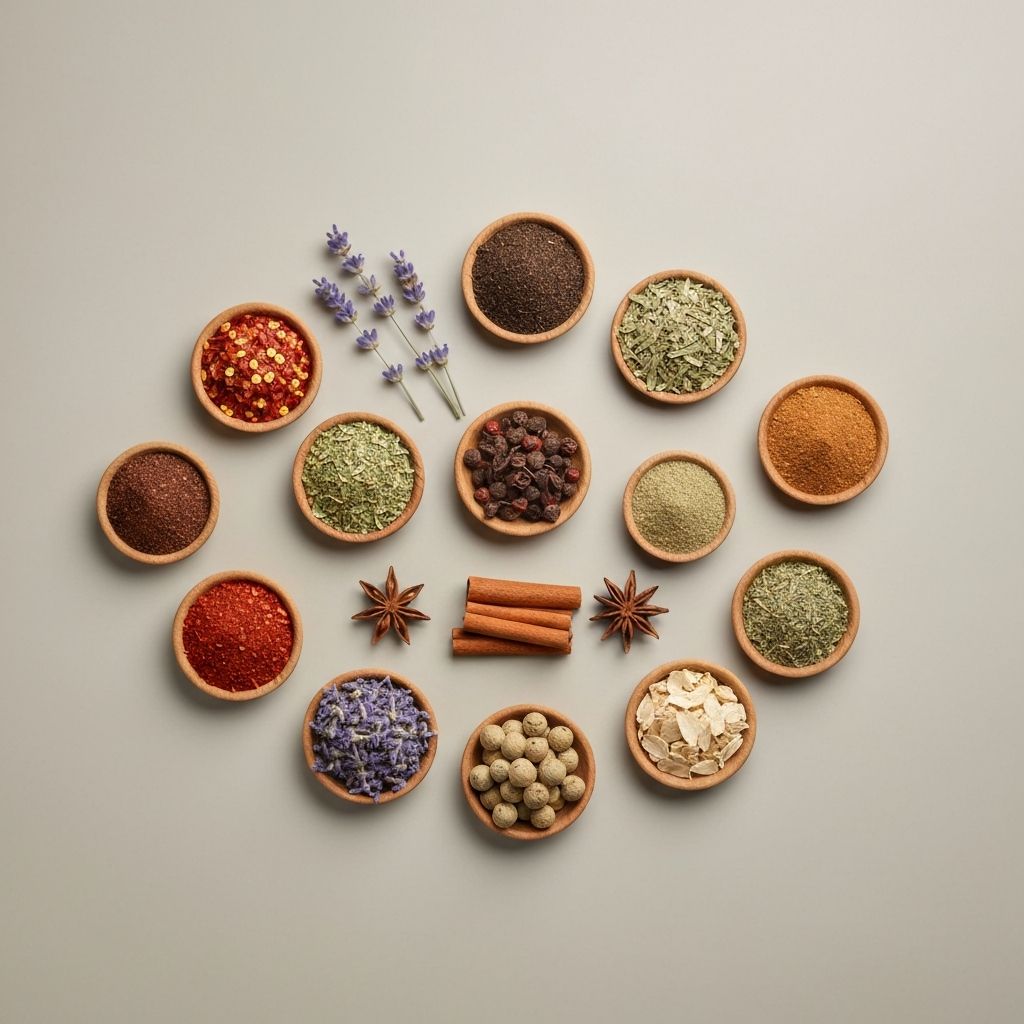
Seasonal Availability
Different plants thrive in different seasons and climates. Understanding seasonal patterns helps contextualize how various botanical elements fit into natural cycles.
- Seasonal growing patterns
- Climate adaptation factors
- Harvest timing considerations
Educational Information: This section provides information about botanical elements in an informational context. It does not constitute personal recommendations or medical advice. Individual circumstances vary, and approaches to wellness differ for each person. This content is not a substitute for consultation with qualified professionals.
Physical Engagement Varieties
Activity Integration in Daily Routines
Overview of how various types of physical movement can be incorporated into everyday life. Understanding different activity modalities helps individuals identify approaches that align with their existing habits and preferences.
Physical engagement exists in multiple forms: structured exercise, recreational activities, occupational movement, and spontaneous daily activities. Each contributes to overall movement patterns.
- Low-impact movement options
- Flexibility and mobility development
- Cardiovascular engagement techniques
Informational Context: Descriptions of physical activities are presented for educational understanding only. Individual circumstances, physical capabilities, and health status vary considerably. Before starting any physical activity program, consultation with appropriate healthcare professionals is recommended.
Unified Vitality Notions
Integrated Wellness Approach
Comprehensive understanding of how botanical supports, nutritional intake, physical activity, and stress management interconnect. These elements work as part of broader lifestyle patterns rather than isolated interventions.
Wellness encompasses multiple interconnected domains: nutritional intake supporting cellular function, physical activity promoting circulation and strength, stress management protecting physiological balance, and sleep quality enabling recovery. These elements influence each other and collectively contribute to sustained vitality patterns.
Different individuals respond to wellness approaches differently based on genetics, life circumstances, existing habits, preferences, and health status. What works for one person may not work equally for another. Sustainable wellness approaches typically require personalization and adjustment over time.
Long-term wellness benefits typically arise from consistent application of sustainable practices rather than intensive short-term interventions. However, flexibility and adaptation are essential as circumstances, seasons, and life stages change over time.
Development Chronicle
Progressive Wellness Integration
Understanding how wellness practices develop over time. Rather than dramatic transformations, sustainable approaches typically involve gradual integration of supportive habits, learning processes, and progressive adaptation.
Development encompasses several phases: initial awareness and education, experimental integration of new approaches, habit establishment through consistent practice, and refinement based on personal experience and changing circumstances.
- Educational phase development
- Gradual habit integration
- Long-term sustainability planning
Timeline Awareness: Timelines for developing sustainable wellness practices vary significantly among individuals. This section presents general information about progressive integration rather than specific outcome predictions or transformational timelines.
Nutritionist Recommendations for Healthy Living
Based on modern nutritional science, here are evidence-based approaches to support daily wellness:
Proteins, fats, and carbohydrates each serve essential functions in the body. Balanced intake of all macronutrients supports cellular function, energy production, and nutrient absorption. Individual requirements vary based on activity level, age, metabolism, and health status.
Vitamins and minerals participate in hundreds of biochemical reactions. Consuming diverse plant sources and varied food types helps ensure adequate micronutrient intake. Colorful produce typically indicates different phytochemical and nutrient profiles.
Adequate water intake supports virtually all physiological processes. Requirements vary based on activity level, climate, and individual factors. Regular fluid consumption throughout the day helps maintain optimal hydration status.
Individual preferences and schedules influence optimal meal patterns. Some people thrive with regular meals throughout the day, while others prefer different eating windows. Experimentation helps identify personally sustainable patterns.
Personalized Nutrition: These recommendations represent general educational information about nutritional principles. Individual dietary needs vary based on medical history, allergies, preferences, and health conditions. Consultation with qualified nutrition professionals is recommended for personalized guidance.